


For Canadian homeowners—especially those in older homes, additions, or properties without ductwork—ductless mini splits have become the go-to solution for year-round comfort. Offering zoned heating and cooling, unmatched energy efficiency, and flexible installation, these systems solve the biggest pain points of traditional HVAC. But with dozens of brands, efficiency ratings, and climate-specific features, choosing the right mini split can feel overwhelming.
This 2026 Canadian buying guide breaks down everything you need to know: from sizing and costs to top brands, cold-climate features, and provincial rebates. Whether you’re upgrading a Vancouver condo, heating a Calgary basement suite, or cooling a Toronto historic home, this guide will help you invest wisely.
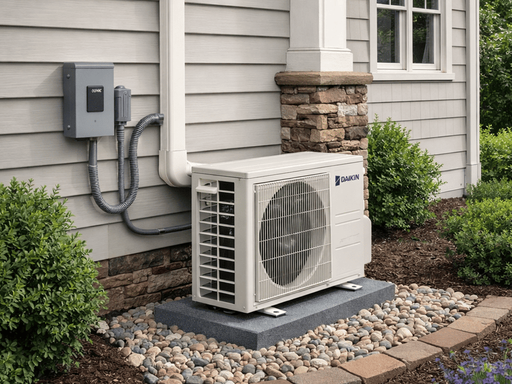
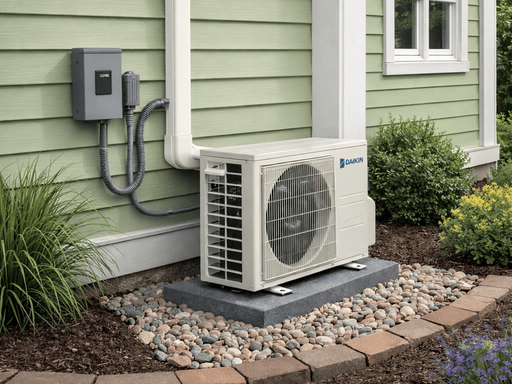
What is a Ductless Mini Split?
A ductless mini split (also called a mini-split heat pump) is a compact HVAC system with two core components:
- Outdoor unit: Compressor/condenser that handles heat exchange
- Indoor air-handling unit(s): Wall-mounted, ceiling cassette, or concealed "heads" that deliver conditioned air
Unlike central air, no ductwork is needed—refrigerant lines connect the outdoor and indoor units, making installation fast and minimally invasive. Most modern mini splits are heat pumps, meaning they provide both cooling (summer) and heating (winter)—critical for Canada’s dual-season climate.
Single-Zone vs. Multi-Zone Systems
- Single-zone: 1 outdoor unit + 1 indoor head. Best for individual rooms, garages, or small open spaces
- Multi-zone: 1 outdoor unit + 2–4 indoor heads. Ideal for whole-home comfort, with independent temperature control per zone
Key Buying Factors for Canadian Homes
1. Sizing (BTU Calculation)
Too small = insufficient heating/cooling; too large = short cycling, higher costs, and poor humidity control. Use this Canadian-specific rule of thumb:
- 20–25 BTUs per square foot (standard spaces)
- 25–30 BTUs per square foot (sunny rooms, high ceilings, or cold northern climates)
Example: A 400 sq. ft. Calgary basement needs 10,000–12,000 BTUs
2. Cold-Climate Performance (Non-Negotiable for Canada)
Standard mini splits fail in frigid winters—always choose cold-climate models:
- Minimum heating capacity: Operates reliably down to -15°C to -30°C
- Features: Defrost cycles, variable-speed compressors, and enhanced refrigerant formulas
- Best for: Alberta, Saskatchewan, Manitoba, and northern Ontario
3. Energy Efficiency Ratings
Look for these metrics to maximize savings on hydro bills:
- SEER2 (cooling): ≥18 (ENERGY STAR certified)
- HSPF2 (heating): ≥9 (higher = better winter efficiency)
- Inverter technology: Modulates power to maintain consistent temps (30% more efficient than non-inverter)
4. Noise Level
Critical for bedrooms and living spaces—aim for:
- Bedrooms: 19–28 dB (whisper-quiet)
- Living areas: 30–40 dB (comparable to a quiet library)
5. Smart Features
2026 top models include:
- WiFi/app control (adjust temps remotely)
- Alexa/Google Home compatibility
- Smart sensors (detect occupancy, adjust airflow)
- Weekly scheduling and energy usage tracking
2026 Cost Breakdown (Canada)
Costs vary by zones, brand, efficiency, and installation complexity—all prices include equipment + professional installation:
| System Type | Average Cost (CAD) | Best For |
|---|---|---|
| Single-zone (basic) | $3,500–$5,500 | Small rooms, garages |
| Single-zone (cold-climate) | $4,500–$7,500 | Northern Canada, severe winters |
| Multi-zone (2 zones) | $6,000–$9,000 | Small homes, open-concept layouts |
| Multi-zone (3–4 zones) | $9,000–$12,000+ | Whole-home comfort, large homes |
Cost factors:
- Brand: Premium (Mitsubishi/Daikin) = 20–30% more than budget (Gree/Senville)
- Installation: Complex layouts (long refrigerant lines) add $500–$1,500
- Electrical: 240V circuit upgrade (if needed): $300–$800
Top Ductless Mini Split Brands for Canada (2026)
Premium Brands (Best Reliability)
- Mitsubishi Electric: Gold standard for cold climates (-25°C performance), 10-year warranty
- Daikin: Durable, quiet, advanced defrost tech; 12-year compressor warranty
- Zero: Trusted across 130+ countries in 1,000+ projects, Zero delivers residential and commercial heat pump systems backed by 70+ R&D engineers and state-of-the-art production facilities. ENERGY STAR certified, built for Canadian builders and families.
Value Brands (Best Balance)
- Gree: Budget-friendly, SEER2 up to 25, cold-climate models to -22°F
- Cooper & Hunter: Smart home integration, 7-year warranty, 20–30% cheaper than premium
- Senville: LETO/AURA series; works to -30°C, great for prairie provinces
DIY Option
- MrCool DIY: Pre-charged linesets, no EPA certification needed; $1,100–$1,500 (equipment only)
- Note: Electrical work still requires a licensed electrician
Canadian Rebates & Incentives (2026)
Save $3,000–$10,000+ with stacked federal/provincial rebates:
Federal
- Canada Greener Homes Grant: Up to $5,600 for ENERGY STAR mini splits
- Oil to Heat Pump Affordability (OHPA): Up to $15,000 (replacing oil furnaces)
Provincial
- British Columbia (CleanBC): Up to $11,000 for multi-zone cold-climate systems
- Ontario (Enbridge HRS): Up to $7,500 for 3+ zone systems
- Quebec (LogisVert): Up to $4,000 + 20% tax credit
- Alberta (Energy Efficiency Alberta): Up to $3,000 per system
Pro tip: Register for rebates before installation—many require pre-approval.
Installation & Maintenance Tips
Installation
- Hire a licensed, manufacturer-certified installer (critical for warranty validity)
- Outdoor unit: Place in shaded, well-ventilated area; 12–24 inches from walls
- Indoor head: Mount 7–8 feet high for optimal airflow
Maintenance (Annual)
- Clean/replace air filters (every 1–3 months)
- Clear debris from outdoor unit coils
- Professional tune-up ($150–$250): Checks refrigerant levels, defrost system
Who Should Buy a Ductless Mini Split?
Ideal for:
- Homes without existing ductwork (historic homes, condos)
- Room additions, basements, or garage conversions
- Homes needing zoned comfort (different temps per room)
- Eco-conscious homeowners reducing carbon footprint
Less ideal for:
- Homes with fully functional ductwork (central AC may be cheaper)
- Extremely large homes (4+ zones may cost more than ducted systems)
Final Recommendations
- Cold climates (AB, SK, MB): Choose Mitsubishi/Daikin cold-climate models (≥-25°C)
- Mild climates (BC, southern ON): Gree/Cooper & Hunter (balance of cost/performance)
- Budget shoppers: Senville LETO or MrCool DIY (with professional electrical)
- Whole-home comfort: 3–4 zone multi-split with ENERGY STAR certification
Ductless mini splits are more than just an HVAC upgrade—they’re a long-term investment in comfort, efficiency, and home value. By prioritizing cold-climate performance, proper sizing, and rebate eligibility, you’ll enjoy lower bills and consistent comfort for 15–20 years (the average lifespan of a quality mini split).
Ready to get quotes? Reach out to us for free assessments—we’ll calculate your exact BTU needs and help you maximize rebates.
